 How-to
7 PRP and Microneedling Facts for Hair Loss
Last Updated: November 21, 2026
Quick Summary
Combining PRP with microneedling for hair loss means microneedling creates tiny punctures in the scalp while PRP, a concentrate of your own platelets, is applied to the treated area. The pairing is meant to let the growth factors reach the tissue more effectively, though results depend on the cause of thinning.
- PRP is made from a small blood sample spun in a centrifuge to concentrate platelets.
- Microneedling creates thousands of tiny, controlled punctures in the upper scalp layers.
- Many patients begin with a series of sessions rather than a single visit.
- Shedding may slow before new growth is visible, and hair changes take months.
- Home microneedling cannot deliver PRP and carries infection and scarring risk.
Table of Contents
- Why Patients Ask About PRP with Microneedling for Hair Loss
- How Platelet-Rich Plasma and Scalp Microneedling Work Together
- How Many PRP Hair Treatments Are Needed?
- PRP Hair Restoration Results Timeline: What to Expect Month by Month
- PRP Microneedling Hair Before and After: Realistic Expectations
- PRP with Microneedling Side Effects and Safety Considerations
- Booking a Hair Loss Evaluation at Leon NP Family Health Care
- Frequently Asked Questions
Why Patients Ask About PRP with Microneedling for Hair Loss
Why is my hair thinning even though I eat well and take care of my scalp? That question brings many people to our Smithtown and Greenlawn offices. Hair loss can feel frustrating, and it is common to wonder whether combining treatments could help.
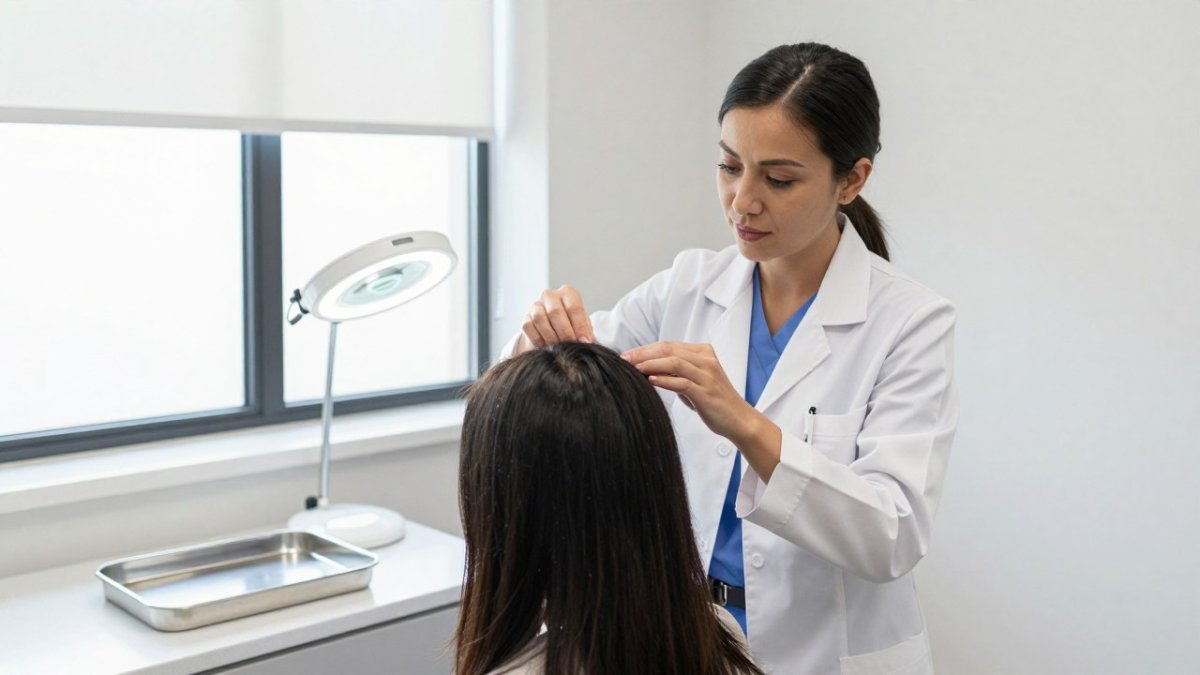
Leon NP Family Health Care, PLLC focuses on medical hair-loss evaluation and nonsurgical hair restoration. Platelet-rich plasma (PRP) combined with scalp microneedling is one option patients often ask about. Results with PRP and microneedling depend on the cause of the thinning, so it is a topic best explained during an evaluation.
- Thinning can come from hormones, thyroid changes, nutrition gaps, stress, or pattern hair loss.
- A medical evaluation helps sort out which cause applies to you.
- Treatments that suit one type of hair loss may not suit another.
PRP is a treatment made from a small sample of your own blood. It is spun in a centrifuge to concentrate the platelets, which contain growth factors.
How Platelet-Rich Plasma and Scalp Microneedling Work Together
How do two treatments that sound so different end up used on the same scalp? The short answer is that they do different jobs, and the pairing is meant to let one support the other.
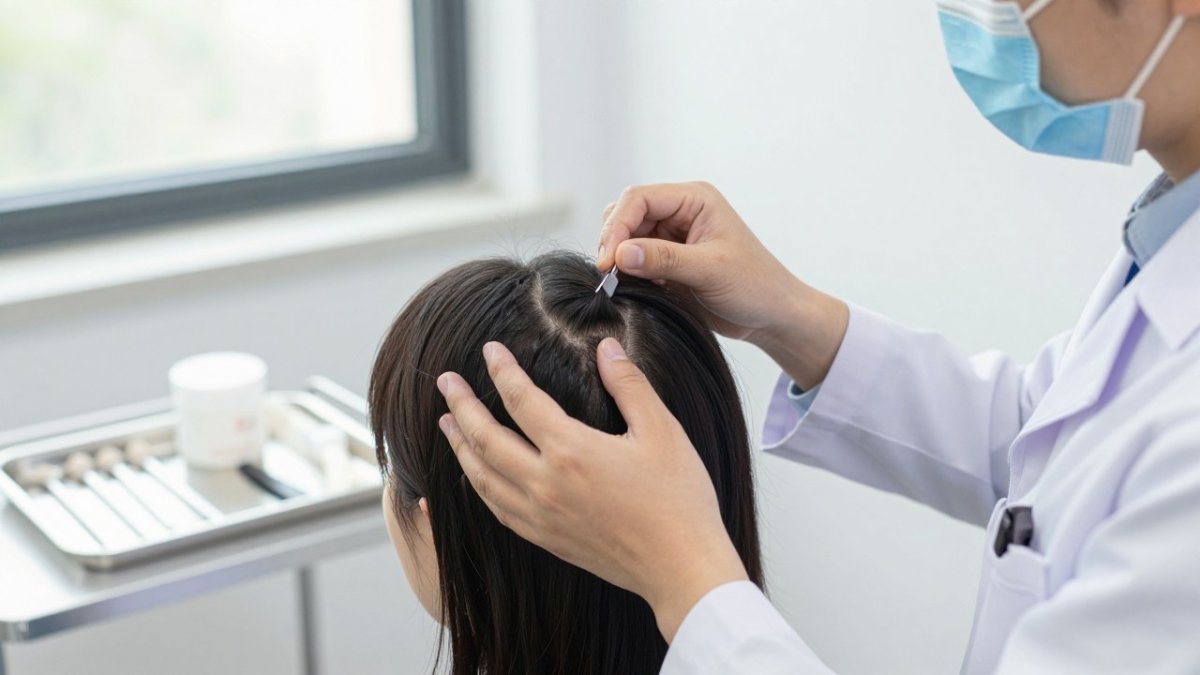
What PRP is and how it is prepared. PRP starts with a small blood draw, usually from your arm, taken in the office. The tube goes into a centrifuge, which spins it fast enough to separate red blood cells from the lighter plasma layer. That plasma is richer in platelets, and platelets carry growth factors, signaling proteins that are involved in tissue repair. Some practices use a single spin; others use a double-spin method, which separates the layers in two stages to concentrate the platelets further. Preparation method, spin time, and the final platelet concentration all vary between practices, which is one reason study results are hard to compare directly.
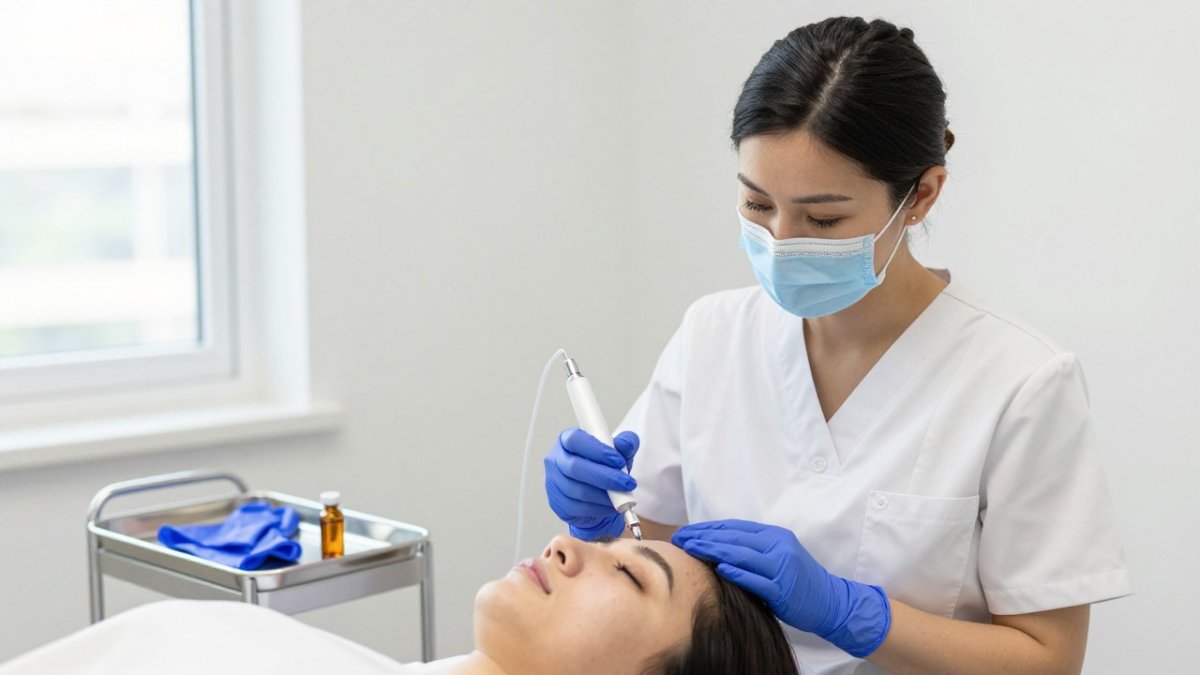
What microneedling does to the scalp. A microneedling device carries very fine needles that create thousands of tiny, controlled punctures in the upper layers of the scalp. The body responds with a wound-healing cascade: blood flow increases, growth factors are released locally, and collagen remodeling begins. On the scalp, the intent is to create a more favorable environment around the hair follicle. Needle depth and device settings are chosen by the clinician and differ by area of the scalp and by patient.
Why they are combined. The working theory is that microneedling creates temporary micro-channels in the skin, which may allow PRP applied at that moment to reach the tissue rather than sitting on the surface. Some clinicians inject PRP directly into areas of thinning, and some use topical application, injection, or both. The choice of approach is a clinical judgment based on your pattern of loss and your comfort with injections.
What a session actually looks like, step by step.
- Consultation and clearance. Before any treatment, we review your history, medications, and prior hair-loss treatments, and confirm a diagnosis. This is not a step to skip.
- Blood draw and processing. A small sample is drawn and spun while the scalp is prepared.
- Scalp cleansing and comfort measures. The scalp is cleansed, and topical numbing cream may be applied and left on for a period before needling.
- Microneedling. The clinician passes the device over the treatment areas, adjusting depth and speed as needed.
- PRP application. PRP is applied to the needled areas and may also be injected into specific thinning zones.
- Aftercare instructions. You leave with written guidance on scalp care for the next few days.
Watch out: microneedling at home with a roller or stamp is not the same procedure. Home devices cannot deliver PRP into the scalp, carry infection risk if not properly sterilized, and can cause scarring or irritate an inflamed scalp. This combination should be performed by a trained clinician who has evaluated your scalp first.
Session intervals, the number of passes, needle depth, and how PRP is applied can vary between providers. What matters most is that your plan is explained to you and tracked over time.
If you are considering PRP with scalp microneedling, the first step is an evaluation so the provider can confirm what is driving your thinning.
How Many PRP Hair Treatments Are Needed?
Many people start with a series of sessions rather than a single visit. Learn how PRP hair restoration works for men, including treatment sessions, costs, and realistic outcomes. Protocols differ, and your provider will explain what applies to you.
The exact number depends on the cause of your hair loss, your scalp health, and how you respond. Your provider will explain the recommended plan during your evaluation.
PRP Hair Restoration Results Timeline: What to Expect Month by Month
Hair grows in cycles, so changes often take several months to appear. Read a complete guide to what hair restoration involves from start to finish. Many patients notice early changes in shedding before they see new growth.
Individual timelines vary widely. Photos taken at consistent intervals can help you and your provider track progress.
Results from PRP and microneedling tend to unfold gradually, so here is a quick overview of the key points covered above.
| Point | What the article says |
|---|---|
| Session pattern | Often a series of sessions rather than one visit |
| Typical change | Shedding may slow before new growth shows |
| Timing of growth | Hair grows in cycles, so changes take months |
| Tracking progress | Standardized photos at consistent intervals |
| Key factor | Cause of hair loss matters more than treatment |
PRP Microneedling Hair Before and After: Realistic Expectations
Will I actually see a difference, and how much? That is the fairest question to ask, and the honest answer depends far more on your diagnosis than on the treatment itself.
Why the cause of your hair loss matters more than the treatment. The research on PRP with microneedling is most often studied in pattern hair loss, and the evidence is still limited. For other causes, the picture is different:
- Telogen effluvium (shedding after illness, stress, childbirth, or rapid weight loss) often resolves on its own once the trigger is addressed. PRP may be considered, but treating the underlying cause comes first.
- Thyroid-related thinning responds to correcting the thyroid problem, not to needling.
- Nutritional deficiencies, low iron, low vitamin D, low protein intake, need to be identified with lab testing and corrected.
- Menopause-related thinning is often a mix of hormonal change and pattern loss, so the approach is usually combined.
- Scarring alopecias are a different category entirely and are not treated with microneedling.
This is why a medical evaluation, and lab testing when appropriate, is important before a treatment plan is chosen.
What stage of hair loss means for results. Treatments of this kind are generally not expected to revive follicles that have already scarred over. Whether change is realistic depends on your individual situation, which a clinician can assess during an exam.
What 'before and after' photos usually leave out. Photos you see online are selected results, often taken under favorable lighting, sometimes with other treatments running at the same time, minoxidil, spironolactone, or a change in hair care. They rarely show the patients who saw little change. A fair way to judge your own progress is standardized photos taken at the same angle, lighting, and hair length at each visit, reviewed by your provider rather than by you alone.
A realistic way to think about the timeline. Shedding may slow before new growth is visible. Fine new hairs often appear before density changes are obvious to anyone else. Judging progress over the series as a whole, rather than week by week, is often suggested.
What this treatment does not do. It is not a cure for pattern hair loss, and it does not replace treating an underlying medical cause. Our focus is nonsurgical hair restoration.
If you want a candid conversation about what is realistic for your hair, schedule a hair-loss evaluation at our Smithtown or Greenlawn office. We will review your history, order any labs that are appropriate, and explain whether PRP with microneedling fits your situation, and what improvement would realistically look like for you.
PRP with Microneedling Side Effects and Safety Considerations
Side effects are often mild and short-lived, though they can vary. Some people may notice scalp tenderness, redness, or swelling after treatment.
Less common risks include infection, bleeding, or irritation, especially if aftercare instructions are not followed. Some medical conditions, blood-thinning medications, and active scalp infections may make treatment unsuitable.
Call your provider promptly if you notice worsening pain, pus, fever, or swelling that does not improve.
Booking a Hair Loss Evaluation at Leon NP Family Health Care
If you are noticing thinning or shedding, a medical evaluation is a good first step. Read why hair thinning deserves a longer medical visit. We take time to review your history, check possible causes, and discuss whether PRP with microneedling is appropriate for you.
Our team in Smithtown and Greenlawn offers bilingual English and Spanish care. Book a hair loss evaluation to talk through your options. You can also call our office or schedule online when you are ready.
Frequently Asked Questions
Can you combine PRP with microneedling for hair loss?
Yes, many patients receive PRP with scalp microneedling as a combined approach. Microneedling creates tiny channels in the scalp, which may help platelet-rich plasma reach the follicles more effectively. Whether this combination is appropriate depends on the cause of your hair loss, your scalp health, and your medical history. A medical evaluation at Leon NP Family Health Care in Smithtown can help determine whether PRP with microneedling is a reasonable option for you.
How many PRP hair treatments might be needed?
Treatment plans for PRP hair restoration are individualized, and many patients follow a series of sessions spaced several weeks apart, followed by periodic maintenance. The exact number depends on the cause and stage of hair thinning, how your scalp responds, and your treatment goals. Your provider will explain a recommended schedule during your consultation, along with what progress may look like over time.
How long does it take to see results from PRP hair restoration?
Hair growth is a slow process, so changes are usually gradual rather than immediate. Many patients begin to notice some change after several months, though timelines vary widely from person to person. Results are not guaranteed, and it is important to have realistic expectations. Your provider can discuss what progress may look like for your specific situation and how it will be tracked over time.
Is PRP with microneedling suitable for every type of hair loss?
No, PRP with microneedling is not appropriate for everyone. Hair loss can have many causes, including hormonal changes, thyroid conditions, nutritional deficiencies, stress-related shedding, and androgenetic alopecia. Some causes need to be identified and managed first. A medical evaluation with lab testing when appropriate can help determine the underlying cause and whether this approach is suitable for you.