 How-to
How to Tell Why Your Hair Is Thinning
Last Updated: November 22, 2026
Quick Summary
Hair thinning often has a treatable cause, such as hormonal changes during perimenopause or menopause, thyroid problems, low iron or vitamin D, or stress and illness. A medical evaluation with a review of your history and blood tests can help identify which cause applies to you before any treatment is chosen.
- Hormonal changes, including perimenopause, menopause and pregnancy, are a common reason hair thins.
- Low iron, low ferritin and low vitamin D are linked to hair shedding.
- Major stress, illness, surgery or rapid weight loss can trigger temporary shedding called telogen effluvium.
- Blood tests can check thyroid function, ferritin, iron studies and vitamin D.
- Treating the wrong cause wastes time, so a medical evaluation should come before treatment.
Table of Contents
- Why Is My Hair Thinning? The Question Many Patients Ask
- Common Causes of Hair Thinning
- Why a Medical Evaluation Matters Before Treatment
- Hair Loss Blood Tests and What They Can Reveal
- PRP for Hair Loss: How Platelet-Rich Plasma Works
- PRP With Microneedling for Hair Loss: What to Expect
- Schedule a Hair Loss Evaluation in Smithtown or Greenlawn
- Frequently Asked Questions
Why Is My Hair Thinning? The Question Many Patients Ask
Noticing more hair in the shower drain or a wider part? You are not alone. Many patients come to Leon NP Family Health Care, PLLC asking the same question: why is my hair thinning?
Hair loss can be temporary or long-lasting. Some causes resolve on their own, while others need medical attention. A careful look at your history, symptoms and labs can help narrow things down.
Common Causes of Hair Thinning
Hair thinning is common and can be linked to several factors. Understanding the possible causes is a helpful first step.

Hormonal Changes, Including Perimenopause and Menopause
Hormones play a big role in hair growth. Shifts in estrogen, testosterone and other hormones can cause hair to thin. Perimenopause and menopause are common times for this. Pregnancy, postpartum changes and conditions such as polycystic ovary syndrome (PCOS) can also affect hair.
Hormonal thinning often shows up as:
- A wider part or a thinner ponytail
- Less volume across the crown
- Changes in your menstrual cycle alongside hair changes
Thyroid Problems, Nutritional Gaps, and Stress
An underactive or overactive thyroid can disrupt the hair growth cycle. Low iron, low ferritin and low vitamin D are also linked to shedding. Major stress, illness, surgery or rapid weight loss can trigger a temporary shedding pattern called telogen effluvium.
Other common triggers include:
- Thyroid disorders
- Iron deficiency or anemia
- Low vitamin D
- Recent illness, fever or surgery
- Significant emotional or physical stress
- Some medications
Several factors can drive thinning, and the table below summarises the causes and triggers the article describes.
| Cause | Typical signs or triggers | Notes |
|---|---|---|
| Hormonal changes | Perimenopause, menopause, pregnancy, PCOS | Often shows as wider part or less crown volume |
| Thyroid problems | Underactive or overactive thyroid | Can disrupt the hair growth cycle |
| Nutritional gaps | Low iron, ferritin or vitamin D | Linked to shedding |
| Stress or illness | Major stress, illness, surgery, rapid weight loss | Can trigger temporary telogen effluvium |
| Medications | Some prescription drugs | Mentioned as a possible trigger |
Why a Medical Evaluation Matters Before Treatment
Hair thinning has many possible causes, and treating the wrong one wastes time and money. A medical evaluation helps identify what is actually happening.
During a visit, your provider may ask about:
- When you first noticed the change
- Family history of hair loss
- Recent illnesses, medications or life changes
- Your menstrual cycle, energy levels and other symptoms
Longer visits make it easier to talk through these questions. At Leon NP Family Health Care, PLLC, a thorough history is the starting point for any plan. If you are weighing your options, choose a gynecologist and provider you trust can help you feel more confident about who evaluates your concerns.
Hair Loss Blood Tests and What They Can Reveal
Blood tests can help check for common, treatable causes of hair thinning. The right panel depends on your history and symptoms, so your provider will decide which tests make sense for you.
Tests often include:
- Thyroid function
- Ferritin and iron studies
- Vitamin D
- Complete blood count
- Hormone levels when clinically indicated
Results are interpreted in context. A single abnormal number does not always explain hair loss, and a normal result does not rule out every cause. Your provider will explain what your results mean for you.
PRP for Hair Loss: How Platelet-Rich Plasma Works
If you have been researching thinning hair, you have probably seen platelet-rich plasma (PRP) mentioned as a nonsurgical option. But what actually is it, and how does it work? PRP is a treatment made from a small sample of your own blood. The blood is spun in a centrifuge to concentrate the platelets, which contain growth factors that play a role in healing and tissue repair.
How PRP Is Prepared
The preparation matters as much as the treatment itself. A small blood draw is taken, and the sample is processed in a centrifuge to concentrate the platelets. Some protocols use a single spin, while others use a double-spin approach. The resulting plasma is then delivered to the scalp, most often with fine injections. Because PRP comes from your own blood, it is not a donor product, which is one reason it is discussed as a nonsurgical option.
How PRP May Support Thinning Hair
PRP is most often discussed for androgenetic alopecia, also called pattern hair loss, which is the most common form of thinning in both women and men. In pattern hair loss, hair follicles gradually shrink over time, and the growth phase of the hair cycle shortens. The growth factors in PRP are thought to support the follicle environment. It is not a cure, and it does not regrow hair in every patient.
Who May Be a Candidate
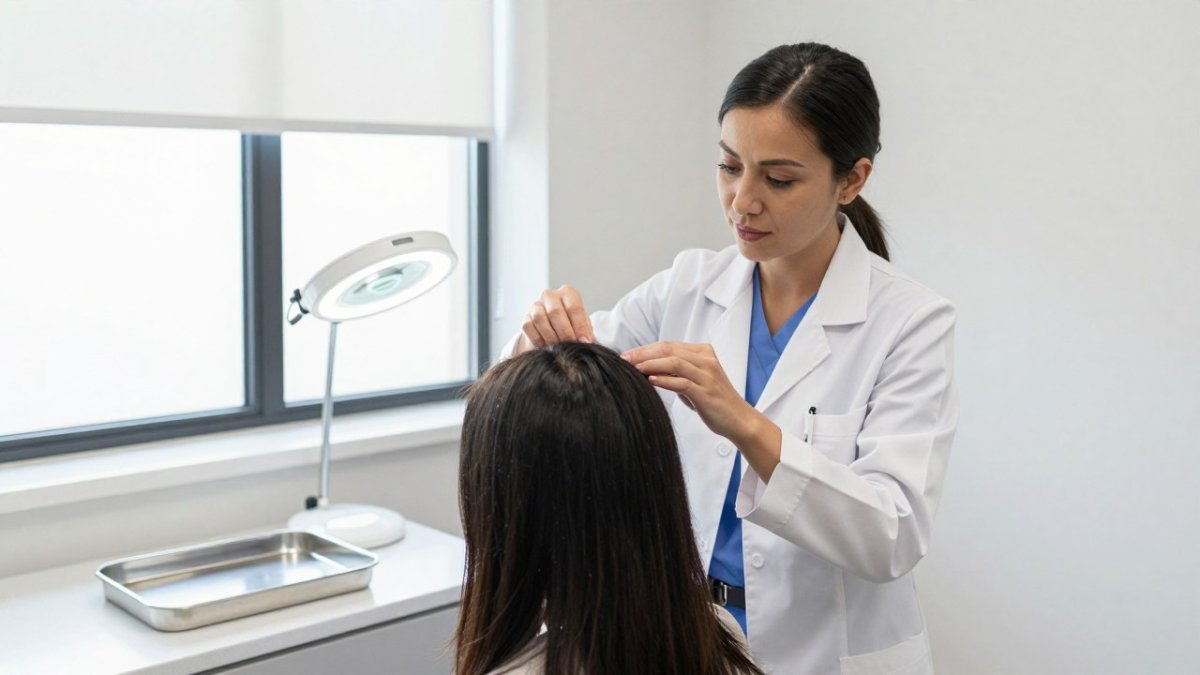
PRP is not right for everyone. You can review the step-by-step PRP hair restoration treatment process, including recovery time and candidacy. A clinician will review your history, examine your scalp, and may order lab tests before recommending treatment. Candidacy often depends on the type and stage of hair loss. Candidacy is individualized, and active infection or certain bleeding disorders may mean treatment should be delayed.
What a PRP Series Typically Involves
PRP for hair loss is usually delivered as a series rather than a single treatment. A common pattern is several sessions spaced a few weeks apart, followed by maintenance sessions.
Watch out: PRP should be performed by a trained clinician using proper infection-control practices.
Leon NP Family Health Care, PLLC focuses on nonsurgical hair restoration. If you are wondering whether PRP may be appropriate for your thinning hair, a consultation is a good place to start.
PRP With Microneedling for Hair Loss: What to Expect
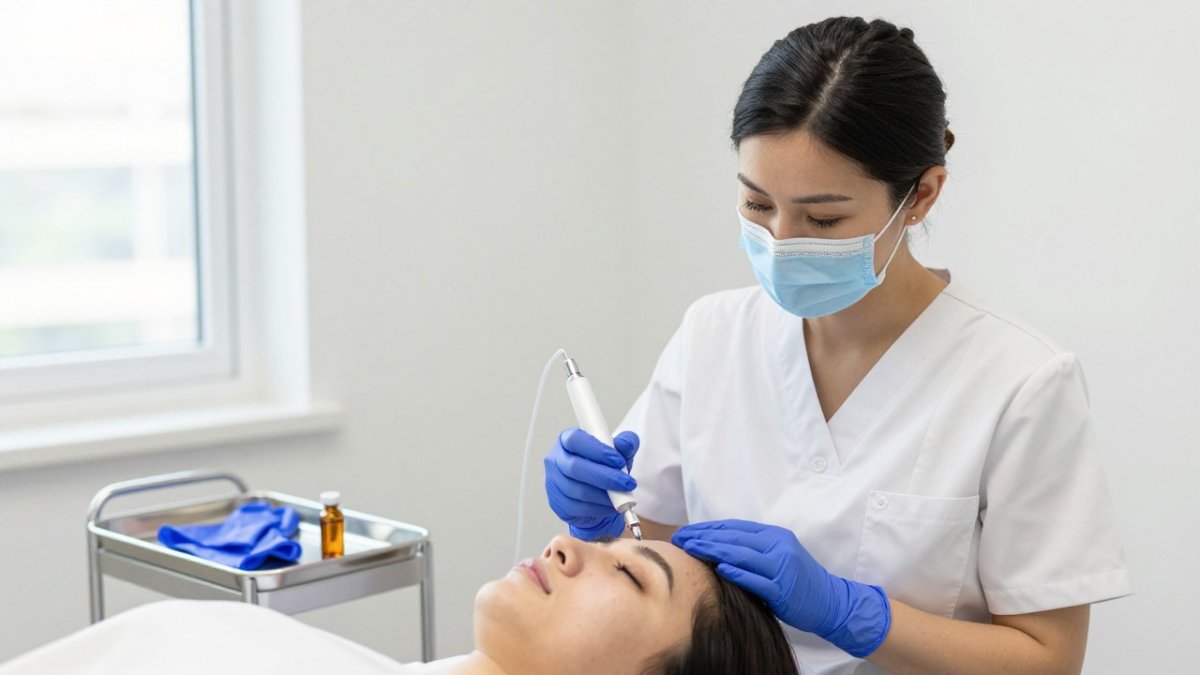
You may have seen PRP offered alone or combined with scalp microneedling and wondered what the difference is. Microneedling uses fine needles to create tiny channels in the skin of the scalp. The goal is to trigger a controlled healing response and to help PRP reach the scalp more effectively. When the two are combined, the microneedling is typically done first, and the PRP is then applied to the treated area.
How the Combination Works
Microneedling on the scalp is different from microneedling on the face. The scalp skin is thicker, and the needle depth and session spacing are set by your clinician. The micro-channels created during the session are thought to help the PRP reach the scalp and to stimulate a localized healing response. Combining the two may allow both the follicle environment and the scalp skin to be addressed in a single visit, but protocols vary widely from practice to practice.
A Step-by-Step Patient Journey
A typical clinician-supervised series looks like this:
- Consultation and diagnosis. Your provider reviews your history, examines your scalp, and may order labs to rule out thyroid, iron, vitamin D, or hormonal causes. The type and stage of hair loss guide whether PRP with microneedling is appropriate.
- Candidacy review. Your provider discusses medications, bleeding risk, pregnancy or breastfeeding status, and any scalp conditions such as active infection or psoriasis. Some patients are asked to delay treatment.
- Treatment session. The scalp is cleansed, and a topical numbing agent may be applied. Microneedling is performed, then PRP is applied. Sessions typically take under an hour, though this varies.
- Aftercare. Most patients have mild redness or tenderness for a short time. Your provider will give you scalp-care instructions, including when to resume washing and which products to avoid for the first day or two.
- Follow-up and maintenance. Sessions are usually spaced a few weeks apart, and response is assessed over several months. Maintenance sessions may be recommended.
How Protocols Vary
There is no single standard protocol. Session intervals, the number of passes with the microneedling device, needle depth, and whether PRP is injected, applied topically, or both all differ by clinician. Some practices use a double-spin PRP preparation to concentrate the platelets further. Because protocols are clinician-dependent, schedules can differ from one provider to another. What matters is that your provider explains the plan and adjusts it based on your response.
Realistic Expectations by Hair-Loss Cause
PRP with microneedling is most often discussed for androgenetic alopecia. Response may depend on the diagnosis and the stage of hair loss. Telogen effluvium, the temporary shedding that follows stress, illness, or rapid weight loss, often resolves on its own once the trigger is addressed, so PRP may not be the first step. Thyroid-related and nutritional thinning are generally evaluated and addressed at the source before PRP is considered.
Safety, Side Effects, and When to Call
Common side effects include mild redness, tenderness, and temporary scalp sensitivity. Serious complications are uncommon when treatment is performed by a trained clinician with proper infection control. Tell your provider if you take blood thinners, have a bleeding disorder, or have an active scalp infection. Contact the office if you develop spreading redness, warmth, pus, or fever after a session.
How It Fits With Other Treatments
PRP with microneedling is often combined with other nonsurgical approaches. Other nonsurgical approaches, such as topical minoxidil, and in some cases oral medications such as finasteride or spironolactone, may be discussed with a clinician when appropriate.
Leon NP Family Health Care, PLLC focuses on nonsurgical hair restoration. If you are considering PRP with microneedling, a consultation in Smithtown or Greenlawn is the best place to start.
Schedule a Hair Loss Evaluation in Smithtown or Greenlawn
If your hair is thinning, you do not have to guess at the cause. A medical evaluation can help identify what is going on and what options may be appropriate for you.
Our nurse practitioners aim to listen, review your history and build a plan together. Patients in Smithtown, Greenlawn and throughout Long Island are welcome.
Two Sisters. Two Nurse Practitioners. One Mission: Bringing Personalized Healthcare Back to Our Community.
Frequently Asked Questions
Why is my hair thinning all of a sudden?
Sudden thinning often has a identifiable trigger. Common examples include a recent illness, a high fever, surgery, childbirth, significant emotional or physical stress, or a change in medication. This pattern, called telogen effluvium, usually shows up as increased shedding about two to three months after the trigger and often improves once the underlying cause resolves. Because some causes need treatment, such as thyroid disease or iron deficiency, it is worth scheduling a medical evaluation if the shedding is heavy or lasts more than a few months.
Can hormonal changes or menopause cause thinning hair?
Yes. Shifts in estrogen, progesterone, and androgens during perimenopause and menopause can shorten the growth phase of hair and lead to gradual thinning, especially at the crown and part line. Hormonal imbalances related to PCOS can cause similar patterns. A clinician can review your symptoms, cycle history, and lab results to determine whether hormones are contributing and which options may be appropriate for you. Individual treatment decisions should always be made with a qualified provider.
Is 3 sessions of PRP enough?
Treatment plans vary, and there is no single number that fits every patient. Many clinicians recommend a series of sessions spaced several weeks apart, followed by periodic maintenance, because hair growth takes months to become visible. Your provider can explain what a typical series looks like for your situation, what results are realistic, and how progress will be measured. Results are not guaranteed, and outcomes differ from person to person.
When should I see a healthcare professional about thinning hair?
Consider scheduling an evaluation if you notice increased shedding that lasts more than a few months, a widening part, a receding hairline, patches of hair loss, scalp irritation, or hair loss alongside fatigue, weight changes, or irregular periods. Bleeding or other new symptoms after menopause should always be checked promptly. A visit at Leon NP Family Health Care in Smithtown or Greenlawn can help you sort out possible causes and decide on next steps. Call the office or book online to get started.