 how-to
PRP Hair Restoration Treatment Process: Step-by-Step Guide
Table of Contents
- What Is PRP Hair Restoration and How Does It Work?
- Who Is a Good Candidate for PRP Hair Therapy?
- What to Expect During the PRP Hair Restoration Treatment Process
- How Many PRP Sessions for Hair Loss Do You Need?
- PRP Hair Treatment Recovery Time and Aftercare
- When to Expect Results: The Hair Regrowth Cycle
- Frequently Asked Questions
Last Updated: October 2, 2026
What Is PRP Hair Restoration and How Does It Work?
PRP hair restoration is a non-surgical treatment that uses your own platelet-concentrated blood plasma to support hair follicles and encourage regrowth. At Leon NP Family Health Care, PLLC, we explain it as regenerative medicine: your body's own growth factors are collected, concentrated, and reintroduced into the scalp.
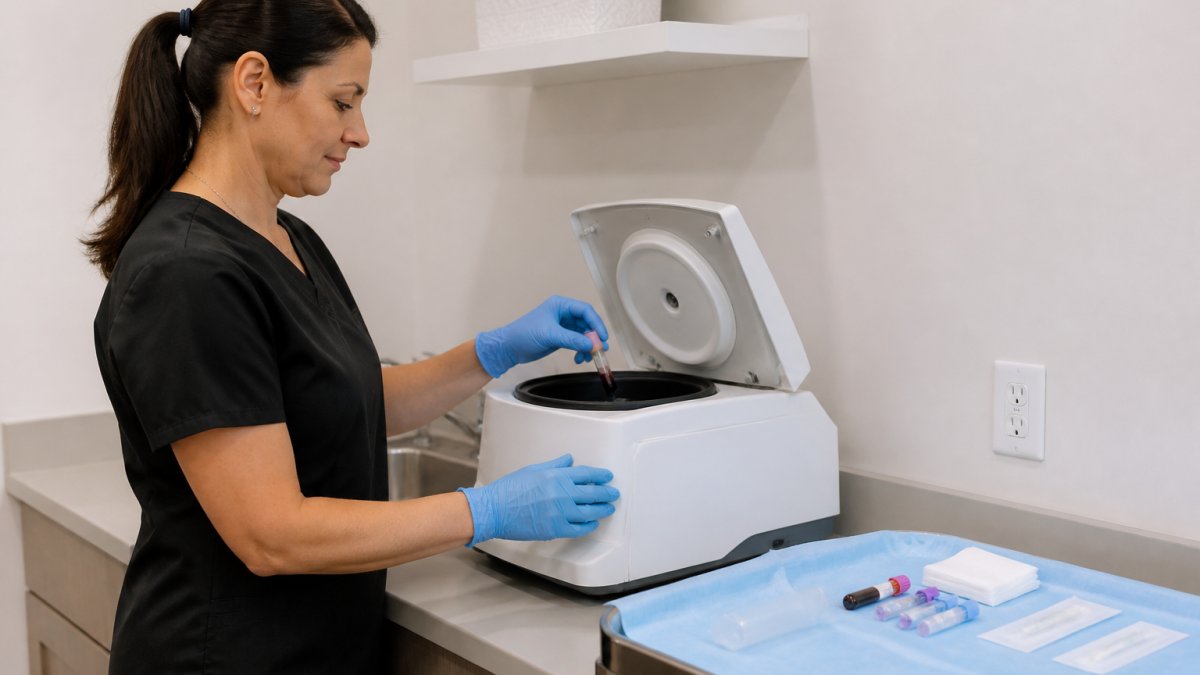
The process starts with a small blood draw. That sample spins in a centrifuge to separate platelet-rich plasma from the rest of your blood. The plasma layer holds growth factors that support tissue repair and collagen production.
PRP is autologous, meaning it comes from your own body, which reduces the risk of allergic reaction compared to donor-based products. It is not a hair transplant and does not create new follicles, it aims to strengthen the ones you still have.
American Academy of Dermatology guidance on hair loss treatments
Who Is a Good Candidate for PRP Hair Therapy?
PRP hair therapy candidacy depends on your hair loss pattern, overall health, and how much active follicle activity remains on your scalp.
Good candidates often include:
- Men and women with androgenetic hair loss (pattern thinning)
- People with diffuse thinning across the scalp
- Patients who want a non-surgical option before considering transplants
- Those with healthy platelet counts and no active scalp infection
PRP may not work as well for advanced hair loss where follicles have stopped producing hair shafts.
Your provider should review your history, medications, and goals before recommending treatment, since a screening visit confirms whether PRP fits your situation or another approach makes more sense.
What to Expect During the PRP Hair Restoration Treatment Process
The PRP hair restoration treatment process usually takes about 45 to 60 minutes in a clinic setting. Most patients stay awake the whole time and go home the same day.
Before You Arrive: Pre-Treatment Prep
A few habits in the 24 to 48 hours before your appointment can affect how well the plasma separates and how comfortable the injections feel:
- Hydrate well. Blood draws are easier when you are not dehydrated, and plasma volume depends on your fluid status.
- Eat a normal meal. Skipping food raises your risk of lightheadedness during the draw.
- Pause alcohol for at least 24 hours. Alcohol can affect platelet function and increase bruising.
- Tell your provider about every medication and supplement. Blood thinners, high-dose fish oil, and some anti-inflammatories may need to be paused on their instructions, never on your own.
- Wash your hair the morning of the visit and skip styling products, which can interfere with scalp prep.
- Skip caffeine right before the appointment if you are prone to jitteriness or needle anxiety.
Step 1: Consultation and Medical Screening
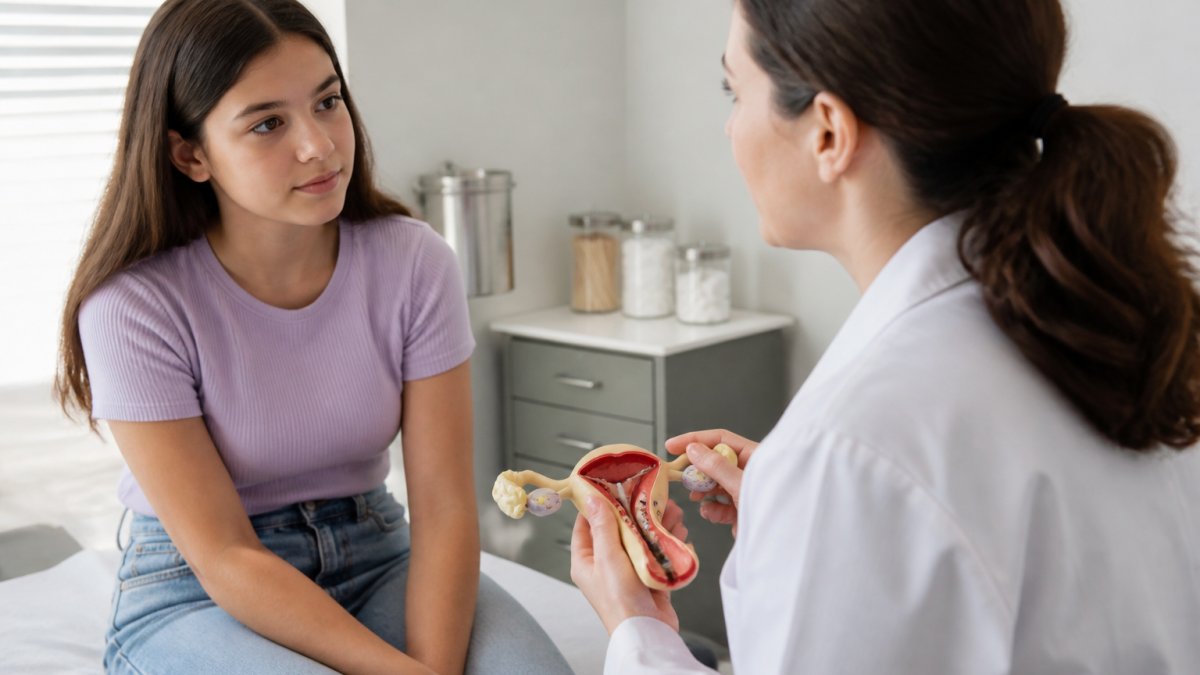
Your first visit focuses on history and goals. Your provider reviews your hair loss pattern, medical conditions, and medications. They check for contraindications, such as active scalp infections, bleeding disorders, low platelet counts, or certain blood-thinning medications.
This step matters more than most guides admit. Skipping a full screening and jumping straight to injections can waste time and money on a treatment that will not help, or expose a patient to a procedure they should not have.
Step 2: Blood Draw and Centrifuge Preparation
A small blood sample, typically around 10 to 20 milliliters, roughly two to four teaspoons, is drawn from a vein in your arm, similar to a routine lab draw.
Two variables matter here. First, the time between draw and injection: platelets are most viable when the plasma is used within roughly an hour, so a well-run clinic does not let the sample sit.
Step 3: Scalp Numbing and Pain Management
Scalp injections have a reputation for being uncomfortable, earned, but manageable. Most clinics use one or more of the following:
- Topical numbing cream (lidocaine-based) applied 20 to 30 minutes before injections
- Local anesthetic injections at key nerve points or along the treatment area
- Vibration anesthesia, a small vibrating device placed near the injection site, which distracts nerve signals
- Cooling packs or chilled air applied immediately before each needle stick
- Buffered anesthetic mixed with sodium bicarbonate to reduce the sting of the numbing injection itself
A common pattern is a brief, sharp sting with the first few injections, then fading discomfort as the numbing takes full effect. If you have a low pain tolerance or needle anxiety, say so during the consultation, providers can adjust the numbing protocol, add a longer pre-treatment wait, or split a large session into two smaller ones.
Step 4: Injection Technique and Microneedling
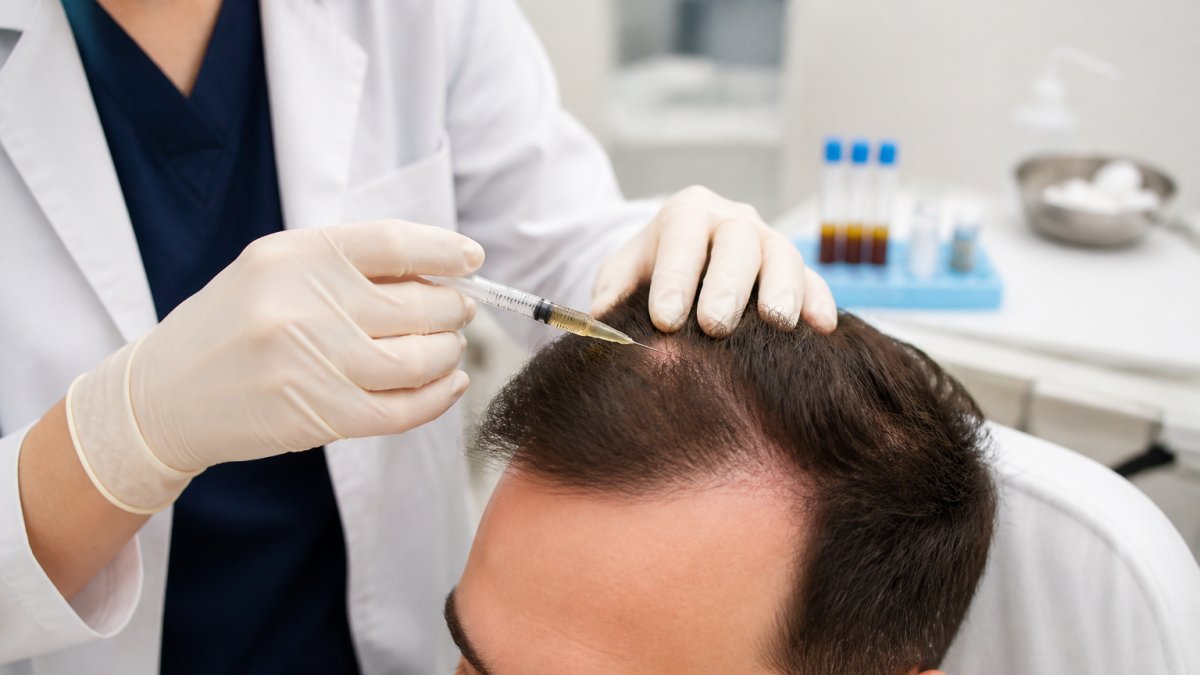
Once the scalp is numb, your provider injects the plasma into the dermis, the layer where hair follicles sit, using a fine needle.
Many clinics combine injections with microneedling, which uses fine needles to create thousands of tiny channels in the scalp. The two are complementary: microneedling triggers a controlled wound-healing response and may improve how evenly the plasma spreads.
What You Will Feel and How Long It Lasts
Most patients describe the injections as quick pinches or a mild burning sensation that fades within seconds. The injection phase usually takes 15 to 30 minutes. Afterward, your scalp may feel tight, warm, or tender, like a mild sunburn, for a day or two. You can drive yourself home and resume light activity the same day.
How Many PRP Sessions for Hair Loss Do You Need?
Most treatment plans start with three to four sessions spaced about four to six weeks apart. After that, maintenance sessions every three to six months help hold results.
The exact number depends on your hair loss stage and how your scalp responds. Some patients see early changes after the first few sessions.
Your provider may adjust the plan based on:
- How much hair thinning you have
- Whether you combine PRP with other treatments
- How your scalp responds to the first sessions
Touch-up treatments are common. PRP is not a one-time fix, and results tend to fade without maintenance.
PRP Hair Treatment Recovery Time and Aftercare
PRP hair treatment recovery time is short for most patients. Many return to normal activities the same day, though the scalp may feel tender for a day or two. The first 48 hours matter: what you do (and avoid) in that window can affect how well the plasma is absorbed and how quickly the scalp settles.
The First 24 Hours
- Leave the scalp alone. Do not wash, rinse, or wet your hair for at least 24 hours. The plasma needs time to be absorbed, and water can dilute it at the injection sites.
- Do not touch, scratch, or massage the treated areas. Even clean hands can introduce bacteria into freshly punctured skin.
- Skip strenuous exercise and heavy sweating. A raised heart rate raises blood flow to the scalp, which can increase bruising and push plasma away from the injection sites. Wait at least 24 to 48 hours before resuming workouts.
- Avoid alcohol. It thins the blood, increases bruising, and can slow the healing response PRP is trying to trigger.
- Skip anti-inflammatory pain relievers. Ibuprofen, naproxen, aspirin, and similar drugs blunt the inflammatory response PRP relies on. Acetaminophen (Tylenol) is usually safer for tenderness, but confirm with your provider first.
- Sleep on your back if you can. Side or stomach sleeping presses the treated scalp into a pillow for hours.
- Stay out of saunas, steam rooms, and hot tubs. Heat and steam can irritate injection sites.
The Next 24 to 48 Hours
- Wash gently. After the first 24 hours, you can usually wash with a mild, fragrance-free shampoo. Use lukewarm water, pat, do not scrub, and skip conditioners, serums, and styling products for another day or two.
- Hold off on hair dye, bleach, and chemical treatments for at least a week, and longer if your provider advises. These products can irritate healing skin.
- Avoid direct sun exposure on the scalp. Wear a loose hat or use a physical (mineral) sunscreen once the scalp is no longer tender.
- Resume normal activity gradually. Light walking is fine. Intense cardio, weightlifting, and hot yoga can wait until the 48-hour mark.
- Keep taking your regular medications unless your provider told you otherwise. Do not restart a paused blood thinner or anti-inflammatory without their go-ahead.
What Is Normal vs. What Is Not
Mild redness, swelling, tenderness, and small pinpoint scabs at injection sites are normal and usually fade within a few days, as are a mild headache or scalp tightness.
Contact your provider promptly if you notice:
- Spreading redness or warmth beyond the injection sites
- Fever or chills
- Pus or foul-smelling drainage
- Severe or worsening pain that does not improve with acetaminophen
- Signs of an allergic reaction, hives, swelling of the face or throat, difficulty breathing
These are uncommon, but they are the reasons a follow-up plan matters. Ask your provider how to reach them after hours before you leave the clinic.
When You Can Return to Normal
Most patients are back to their usual routine, work, driving, light exercise, the same day. Strenuous workouts, swimming, and chemical hair treatments typically resume after 48 hours to a week, depending on your provider's protocol and how your scalp responds. If you have an important event coming up, schedule PRP at least a week ahead so any redness or tenderness has time to settle.
Cleveland Clinic overview of platelet-rich plasma therapy
When to Expect Results: The Hair Regrowth Cycle
Early results from PRP usually appear within two to three months, with fuller changes around six months.
The hair regrowth cycle has three main phases:
- Anagen phase: active growth, lasting years
- Telogen phase: resting phase, when hair sheds
- Transition phase: the short stage between growth and rest
PRP aims to support follicles in the anagen phase and extend growth time.
Track progress with photos taken in the same lighting and angle every few weeks.
National Library of Medicine research on platelet-rich plasma for hair growth
Hair thinning rarely has a single cause, and the right plan starts with a real conversation about your health, not a quick fix.
Frequently Asked Questions
Does PRP actually regrow hair?
PRP uses growth factors from your own blood to support hair follicles and improve scalp vascularization. Clinical research shows it can help increase hair density and hair shaft diameter in people with androgenetic alopecia, though results vary. It works best for early to moderate hair thinning, not complete baldness. PRP is considered a non-surgical hair restoration option and is often combined with other treatments. A consultation can help determine whether it fits your situation.
What should I avoid before and after PRP hair treatment?
Before treatment, avoid blood-thinning medications like aspirin or ibuprofen for several days unless your doctor says otherwise, and skip alcohol and smoking. After treatment, avoid washing your hair for at least 24 hours, skip strenuous exercise and saunas for 48 hours, and do not use harsh hair products or dye for a few days. Your provider will give you specific aftercare instructions based on your treatment plan.
Is 2 sessions of PRP enough?
Most treatment plans recommend three initial sessions spaced about four to six weeks apart, followed by maintenance sessions every six to twelve months. Two sessions may show some improvement, but the standard protocol is designed to build on each treatment. Your provider will adjust the number of sessions based on your hair thinning pattern, how your scalp responds, and your overall treatment plan.
What causes PRP to fail?
PRP may not produce noticeable results if hair follicles are permanently dormant, which is common in advanced baldness. Other factors include underlying medical conditions like thyroid disorders or iron deficiency, smoking, poor nutrition, and skipping maintenance sessions. Using a provider with proper centrifuge technique and appropriate platelet concentration matters too. Screening for contraindications during your consultation helps set realistic expectations.