 blog
Top 5 Wellness Tips for Adolescent Girls to Build Healthy Habits
Last Updated: November 7, 2026
Quick Summary
The top wellness tips for adolescent girls focus on five habits: eat a balanced diet with enough iron and calcium, stay hydrated and limit sugary drinks, move your body every day, protect a consistent sleep routine, and support mental wellness through stress management. Small, steady changes make these wellness tips easier to keep for life.
- Balanced meals with fruits, vegetables, whole grains and protein support energy and focus.
- Iron matters once periods start, and iron-rich foods include lean meat, beans and fortified cereal.
- Calcium and vitamin D help build bone during the teen years, when much of bone mass forms.
- Water is the best everyday drink, and limiting soda and energy drinks reduces unneeded sugar.
- Regular movement that a teen enjoys supports heart health, mood, sleep and bone strength.
Table of Contents
- Why Healthy Habits Matter During the Teen Years
- Tip 1: Build a Healthy Diet for Teenage Girls
- Tip 2: Stay Hydrated and Limit Sugary Drinks
- Tip 3: Move Your Body Every Day
- Tip 4: Protect Your Sleep and Daily Routine
- Tip 5: Support Teen Mental Wellness Tips and Stress Management
- Period Health for Teens: When to Talk With a Provider
- Your Next Step: Planning a First Gynecology Visit for Teens
- Frequently Asked Questions
Why Healthy Habits Matter During the Teen Years
Your teen years are a time of fast change, both in the body and in daily life.
Teens often hear about wellness but not always how to start. The five tips below are simple, practical and easy to fit into a busy school week.
Some changes in the teen years are normal, such as shifts in appetite, sleep and mood. Others may need a closer look.
- Healthy habits support growth, focus and mood
- Small, steady changes are easier to keep than big overhauls
- Early habits often carry into adulthood
Tip 1: Build a Healthy Diet for Teenage Girls
A balanced diet gives growing bodies the nutrients they need. Teens need enough protein, fiber, healthy fats, vitamins and minerals to support energy, focus and development. Many teens skip meals or lean on fast food, which can leave them tired, irritable and hungry by mid-afternoon.
Aim for a plate that includes fruits, vegetables, whole grains and a source of protein at most meals. Colorful produce is a good sign of variety.
Iron, Calcium and Vitamin D: The Nutrients That Matter Most Now
Two nutrients deserve extra attention in the teen years, and they are the ones most often missed.
- Iron. Once a girl starts having periods, she loses some iron each month. Heavy or frequent periods can lower iron stores, and low iron can contribute to symptoms such as fatigue, pale skin or trouble concentrating. Iron-rich foods include lean red meat, poultry, beans, lentils, fortified cereal and dark leafy greens. Pairing plant iron with a source of vitamin C, citrus, tomatoes, bell peppers, helps the body absorb it.
- Calcium and vitamin D. Much of a person's bone mass is built during the teen years, which makes this an important window for bone health. Dairy, fortified plant milks, tofu and leafy greens supply calcium; vitamin D comes from fortified foods, fatty fish and sunlight. A common pattern is that teens who avoid dairy or spend most of the day indoors fall short on both.
If your daughter is often tired, has heavy periods or follows a restricted diet, a simple lab check can tell you whether iron, vitamin D or another nutrient is low. A provider can order common lab tests and review the results with your family.
Balanced Meals, Breakfast and Smart Snacks
Breakfast helps teens start the day with focus and steady energy. Simple options include yogurt with fruit, eggs with whole-grain toast or oatmeal with nuts. A teen who truly cannot eat early can take a portable option, a banana with peanut butter, a cheese stick and a piece of fruit, and eat it on the way.
Smart snacks can fill the gap between meals. Try:
- Apple slices with peanut butter
- Carrot sticks with hummus
- A handful of nuts or seeds
- Cheese with whole-grain crackers
- Greek yogurt with berries
Regular meals and snacks also steady mood and appetite, which matters for teens who notice they are ravenous after school or crash before dinner.
When Eating, Weight or Body Image Needs a Closer Look
Diet talk can go wrong in the teen years.
Other signals worth a conversation include rapid weight change, feeling cold all the time, hair thinning, loss of periods, or withdrawing from family meals. If your daughter has concerns about her eating, weight or body image, a conversation with her provider can help.
The table below sums up the nutrients the article flags as most important for teens and where to find them.
| Nutrient | Why it matters | Good sources |
|---|---|---|
| Iron | Lost monthly once periods start; low iron can cause fatigue | Lean red meat, poultry, beans, lentils, fortified cereal, dark leafy greens |
| Calcium | Much of bone mass is built during the teen years | Dairy, fortified plant milks, tofu, leafy greens |
| Vitamin D | Supports bone health alongside calcium | Fortified foods, fatty fish, sunlight |
| Vitamin C | Helps the body absorb plant-based iron | Citrus, tomatoes, bell peppers |
Tip 2: Stay Hydrated and Limit Sugary Drinks
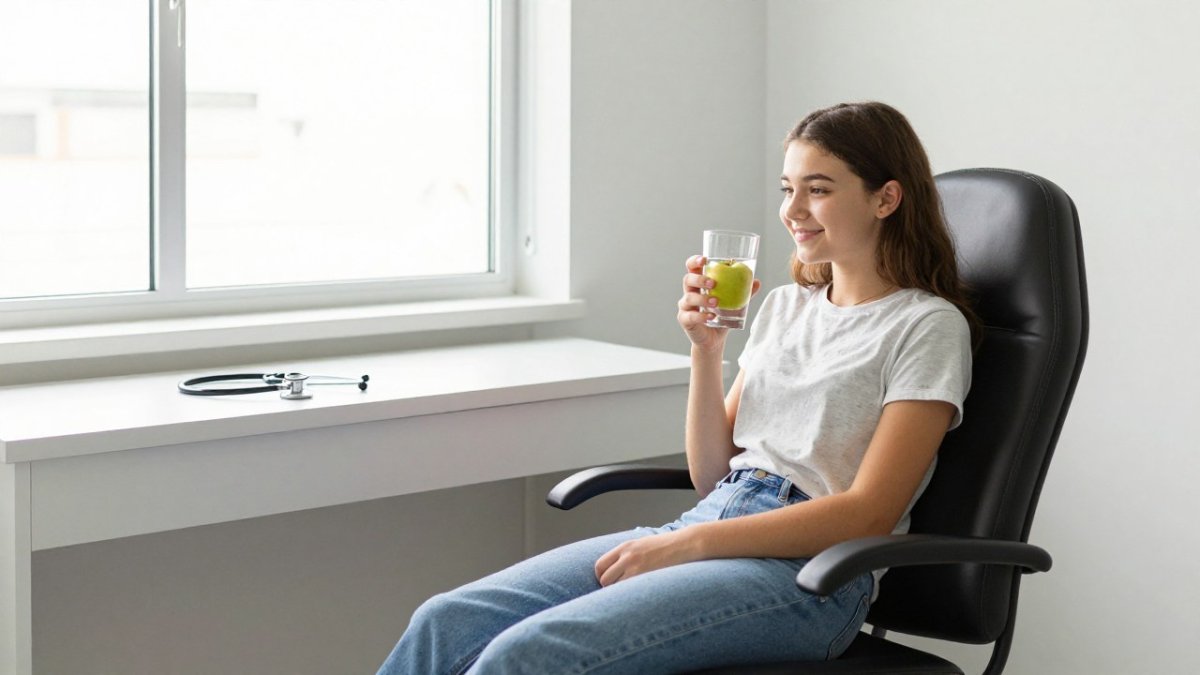
Water is the best everyday drink for most teens. It supports concentration, digestion and overall comfort. Many teens do not drink enough water during school and sports.
Sugary drinks such as soda, energy drinks and sweetened teas can add many calories without much nutrition. Limiting them is one of the easiest changes a family can make.
- Keep a reusable water bottle with her at school
- Offer flavored water with fruit slices as an alternative
- Keep sugary drinks out of the house for everyday use
- Pay attention to caffeine in energy drinks, especially late in the day
Tip 3: Move Your Body Every Day
Regular physical activity supports heart health, mood, sleep and bone strength. Adolescence is an important time for building bone. Teens do not need to train like athletes. They need movement they enjoy.

Walking with friends, dancing, biking, swimming, yoga and team sports all count.
Limit long stretches of sitting, especially with phones or tablets. Breaking up screen time with a short walk can help.
Tip 4: Protect Your Sleep and Daily Routine
Sleep is one of the most important parts of teen health. Teens need consistent, good-quality sleep to focus at school, manage emotions and recover from daily activity.
A steady routine helps the body keep a regular sleep schedule. Simple steps can make a difference:
- Set a consistent bedtime and wake time, even on weekends
- Put phones and screens away at least an hour before bed
- Keep the bedroom cool, dark and quiet
- Avoid caffeine later in the day
Irregular sleep can affect mood, appetite and periods. If your daughter is frequently tired, talk with her provider.
Tip 5: Support Teen Mental Wellness Tips and Stress Management
Mental wellness is a core part of overall health. Teens face school pressure, friendships, social media and changing bodies. Stress is normal, but ongoing stress or sadness deserves attention.
Helpful habits include talking openly, spending time with trusted adults and friends, journaling, relaxation practices and enjoyable hobbies. Small, achievable steps are often more effective than large plans. Movement, daylight and a steady sleep schedule, covered in the tips above, are themselves mood supports, not just physical ones.
Social Media, Body Image and Peer Pressure
For many adolescent girls, the loudest stress comes from a screen. Constant comparison to filtered images, comment threads and follower counts can shape how a teen sees her body and her worth. A few practical habits help:
- Curate the feed. Encourage her to unfollow accounts that leave her feeling worse and to follow ones that teach, entertain or connect her to real friends.
- Set phone-free zones. Meals, the hour before bed and homework time are good places to start.
- Name the filter. Remind her that most images online are edited, posed and selected, she is comparing her everyday to someone else's highlight reel.
- Talk about peer pressure. Consent, boundaries and saying no are skills. Rehearse them at home so they are easier to use in the moment.
Watch out: body-image pressure can tip into disordered eating. Warning signs include skipping meals, secret eating, obsessive exercise, frequent weighing, or a teen who ties her mood entirely to how she looks. These deserve a gentle, direct conversation and, often, a clinical visit.
Warning Signs That Need Prompt Support
Watch for signs that a teen may need extra support, such as:
- Lasting sadness, irritability or withdrawal
- Major changes in sleep or appetite
- Loss of interest in activities she once enjoyed
- Falling grades or school avoidance
- Talk of hopelessness or self-harm
If you notice these signs, reach out to her provider or a mental health professional promptly. If there is any immediate danger, call 911 or the 988 Suicide and Crisis Lifeline.
Confidential Care and How to Start the Conversation
Many teens will not bring up mood, body image or relationships in front of a parent, and that is normal. Adolescent visits can include time for the teen to speak privately with the provider, which often makes it easier to raise sensitive topics.
If you are unsure whether your daughter's stress, mood or body image needs more than time, a visit with a provider who works with adolescents can help sort out what is typical and what needs attention.
Period Health for Teens: When to Talk With a Provider
Periods are a normal part of adolescence, but they should not be painful, unpredictable or disruptive to daily life. Many teens have questions about cycle length, flow and cramps.
It may be time to talk with a provider if your daughter:
- Has not started her period by age 15 or within three years of breast development
- Has periods that are very heavy, soaking through pads or tampons hourly
- Has severe pain that keeps her from school or activities
- Has very irregular cycles or periods that stop for months
- Shows signs of excess hair growth, acne or other changes that concern you
Early evaluation can help identify conditions such as polycystic ovary syndrome (PCOS), thyroid problems or other causes. Adolescent gynecology visits are confidential and aim to help teens feel comfortable asking questions.
Your Next Step: Planning a First Gynecology Visit for Teens
A first gynecology visit can feel intimidating, for teens and parents alike. Knowing what to expect can ease nerves.
Before the visit, consider writing down questions and any symptoms you have noticed. A good adolescent gynecology practice will take time to explain each step and respect your daughter's privacy.
To learn more about preparing for a first visit and making the appointment more comfortable, you can read 7 Tips to Make Your Teen's Gynecology Visit More Comfortable. Parents may also find a Adolescent Gynecology Care: A Parent's Guide helpful when deciding when to schedule.
If your teen is anxious, a provider who specializes in nervous patients can help. You can also review How to Find a Gynecologist for a Nervous Teenager and How to Choose a Gynecologist: A 2026 Guide to compare options.
Ready to talk through your daughter's health with a caring team?
Frequently Asked Questions
How much sleep do adolescent girls need?
Teens generally need about 8 to 10 hours of sleep each night for healthy growth, mood, focus and energy. Many teens fall short because of early school start times, homework and late-night screen use. A consistent bedtime, a screen cutoff about an hour before sleep and a dark, cool bedroom can help. If sleep problems persist, or if daytime tiredness is affecting school or mood, a visit with a healthcare provider can help identify the cause.
What are the top 5 healthy eating tips for teens?
Start with breakfast, include fruits and vegetables at most meals, choose whole grains, pair snacks with protein or fiber, and limit sugary drinks and highly processed snacks. Healthy diet for teenage girl needs are about steady energy and nutrients for growth, so regular meals matter more than strict rules. Iron and calcium are especially important during these years, and a provider can check whether intake is adequate.
When should a teen see a health care provider about irregular or painful periods?
A teen should talk with a provider if periods are very painful, unusually heavy, extremely irregular, or absent for several months after starting. Pain that interferes with school or activities is also a reason to ask for an evaluation. A first gynecology visit for teens is a calm, confidential conversation, and a pelvic exam is not always needed at the first visit.
What should a teen expect at her first gynecology visit?
A first visit usually includes a private conversation about her health, periods, growth, mood and questions she may have. Many teens have a parent in the room for part of the visit and time alone with the provider. A pelvic exam is not required at a first visit and is only done when medically needed. Writing questions down beforehand can help teens feel more prepared and comfortable.