 blog
9 High Blood Pressure Treatment Options to Discuss
Last Updated: November 2, 2026
Quick Summary
High blood pressure treatment usually combines lifestyle changes with medication when needed, and the right plan depends on your readings, overall health and personal risk factors. Lifestyle steps such as a heart-healthy eating pattern, lower sodium, regular activity and limited alcohol often come first. Your provider decides whether medication is also appropriate.
- Blood pressure is measured as two numbers: the systolic (top) and diastolic (bottom) number.
- A DASH-style eating pattern is one commonly recommended heart-healthy option.
- Most sodium in the American diet comes from packaged and restaurant foods.
- Take medication as prescribed, and never stop or change it on your own.
- Seek emergency care right away for chest pain, severe headache or trouble speaking.
Table of Contents
- Understanding High Blood Pressure and Why Treatment Matters
- Lifestyle Changes to Lower Blood Pressure
- High Blood Pressure Medication Options and How They Work
- Home Blood Pressure Monitoring and Reading Your Results
- How to Lower Blood Pressure Safely
- Resistant Hypertension, Procedural Options, and Next Steps
- Scheduling Your Blood Pressure Review at Leon NP Family Health Care
- Frequently Asked Questions
Understanding High Blood Pressure and Why Treatment Matters
High blood pressure, also called hypertension, is one of the most common conditions we see in primary care. It often causes no symptoms, which is why many people do not know they have it. Left untreated, it raises the risk of heart attack, stroke, kidney disease and other problems over time.
High blood pressure is the force of blood pushing against the walls of your arteries. Doctors measure it as two numbers: the systolic (top) number and the diastolic (bottom) number. Your care team can explain what your readings mean for you and whether treatment is recommended.
Blood pressure treatment may combine lifestyle changes with medication when needed. The right plan depends on your readings, your overall health and your personal risk factors. Many people find that a clear plan makes their numbers easier to manage.
- Blood pressure is checked at routine visits, often with a standard cuff.
- Home readings can help track how your body responds to changes.
- Symptoms such as chest pain, severe headache or trouble speaking need urgent care right away.
Lifestyle Changes to Lower Blood Pressure
Lifestyle changes are often the first step, and they can support any medication plan. Small, steady changes tend to work better than sudden overhauls. Talk with your provider before making major changes if you have other health conditions.
Eating Patterns and Reducing Sodium
Many people are advised to follow a heart-healthy eating pattern, such as one based on fruits, vegetables, whole grains, lean proteins and low-fat dairy. A DASH-style eating pattern is one commonly recommended option.
Reducing sodium, or salt, is another key step. Most of the sodium in the American diet comes from packaged and restaurant foods, not the salt shaker. Reading labels helps you spot the biggest sources.
- Choose fresh or frozen vegetables without added sauces.
- Compare sodium levels on labels and pick lower-sodium options.
- Cook more meals at home so you control the seasoning.
Physical Activity, Weight, Alcohol, and Stress
Regular physical activity supports healthy blood pressure, and weight management can make a meaningful difference for many people. Limiting alcohol and managing stress are also part of a complete blood pressure treatment plan.
Ask your provider how much activity is right for you. Walking, cycling and swimming are common choices, and even short sessions add up over the week.
High Blood Pressure Medication Options and How They Work
When lifestyle changes are not enough, medication is often considered. Several medication classes are used, and each works in a different way. Your provider chooses based on your readings, other health conditions and how you respond. Learn more about how personalized primary care supports ongoing treatment.
The table below summarizes how the most common classes work and what patients commonly ask about them. It is educational only, it is not a recommendation to start, stop or change any medication.
| Medication class | How it works | Common considerations |
|---|---|---|
| ACE inhibitors (for example, lisinopril) | Relax blood vessels by blocking a hormone that narrows them | A dry cough is a well-known side effect; blood tests to check kidney function and potassium are common |
| Angiotensin II receptor blockers (ARBs) (for example, losartan) | Work on the same pathway as ACE inhibitors through a different mechanism | Often used when a cough from an ACE inhibitor is a problem; similar lab monitoring |
| Calcium channel blockers (for example, amlodipine) | Help blood vessels relax by limiting calcium entry into vessel walls | Ankle swelling and flushing are common considerations |
| Thiazide diuretics (for example, chlorthalidone) | Help the kidneys remove excess salt and water | Electrolyte and kidney function checks are common; hydration matters |
| Beta blockers | Slow the heart rate and reduce the heart's workload | Often used when there is another heart-related reason; fatigue and slow pulse are common considerations |
| Combination therapy | Two medications from different classes are used together | Often used when one medication is not enough or when readings are well above goal |
A few practical points help patients get the most from treatment:
- Take medication as prescribed. Missing doses can cause readings to rise again.
- Do not stop or change a medication on your own. If you have side effects or concerns, call your provider, there is often another option.
- Tell your provider about all other products you use, including over-the-counter medicines, supplements and other prescriptions, because some can raise blood pressure or interact with treatment.
- Keep a simple log of home readings so your provider can see how the plan is working between visits.
If you have questions about a medication you have been prescribed, or you are wondering whether treatment is right for you, a visit is the best place to start.
Home Blood Pressure Monitoring and Reading Your Results
Home monitoring can give your care team a fuller picture than a single reading in the office. Learn what routine preventive visits and screenings should include.
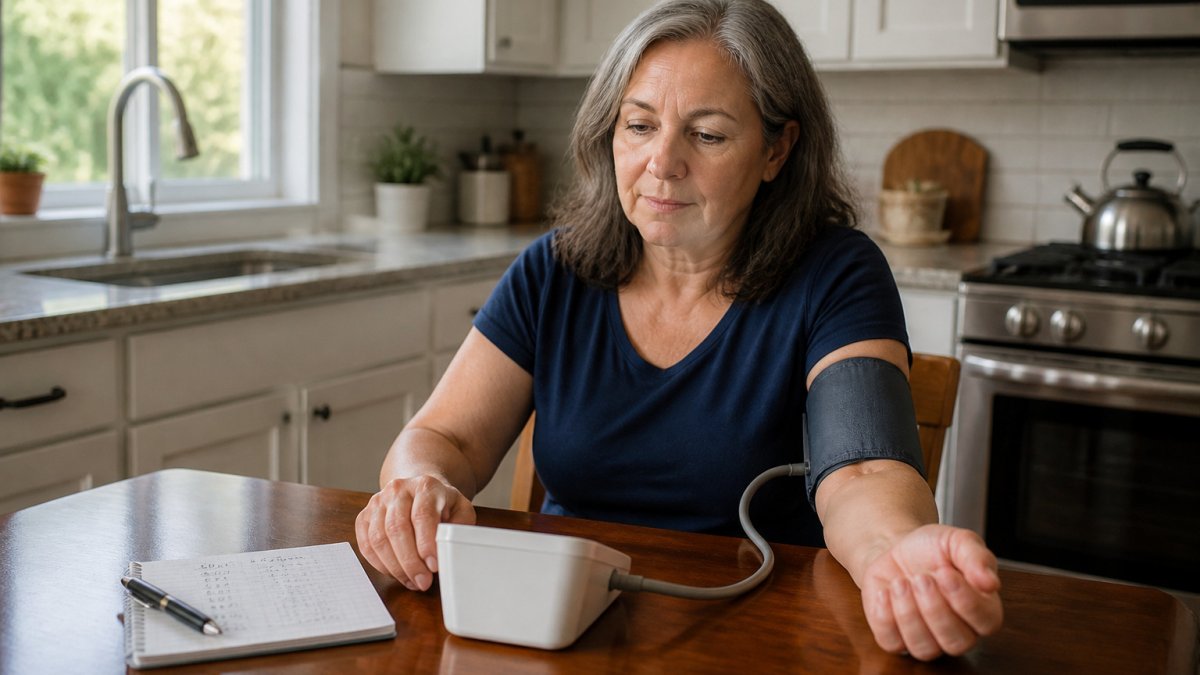
Use an upper-arm monitor that fits your arm. Sit quietly for a few minutes before measuring, and keep a simple log of your readings to bring to your visit.
- Measure at about the same times each day.
- Record both numbers and the date.
- Share your log with your provider to guide treatment decisions.
How to Lower Blood Pressure Safely
Safe changes are gradual and guided by your care team. Avoid stopping medication suddenly, and do not start new supplements without checking with your provider first. Some supplements and over-the-counter products can affect blood pressure.
Regular follow-up visits and lab checks help confirm that your plan is working. Your provider may adjust your treatment over time as your health changes.
Resistant Hypertension, Procedural Options, and Next Steps
Some people have blood pressure that stays high despite several medications. This is sometimes called resistant hypertension. It is not a sign that you have done something wrong, it usually means the plan needs a closer look.
When blood pressure remains high despite treatment, a provider may take a step-by-step approach:
- Confirm the readings. Home monitoring and proper measurement technique help rule out a single high office reading.
- Review medication use. Missed doses, timing, cost concerns and side effects are common reasons readings stay high.
- Look for contributing factors. Other conditions, some over-the-counter products, supplements, alcohol use and sleep problems such as sleep apnea can affect blood pressure.
- Check labs and adjust treatment. Blood tests can help confirm the plan is working and guide changes.
- **** When needed, a provider may recommend evaluation by a specialist.
Regular follow-up visits and lab checks help confirm that your plan is working. Your provider may adjust your treatment over time as your health changes. If your readings stay high or you have questions about your plan, schedule a visit so we can review your options together.
Scheduling Your Blood Pressure Review at Leon NP Family Health Care
If your blood pressure is high, or you have questions about your treatment, a consultation can help. See how our primary care visits are structured and what to expect. At Leon NP Family Health Care, you can discuss your readings, medications and goals with a provider. Leon NP Family Health Care provides personalized primary care in Smithtown and Greenlawn, New York.
Call our office or request an appointment to talk about your options and next steps.
Frequently Asked Questions
What is a healthy blood pressure reading?
Blood pressure is reported as two numbers: systolic (the pressure when the heart beats) over diastolic (the pressure between beats). Readings below 120/80 mmHg are generally considered in the healthy range, while readings persistently at or above 130/80 mmHg fall into the range that clinicians consider high blood pressure. Your provider can tell you which targets fit your age and health history, and a single high reading is not a diagnosis. Repeated readings taken under consistent conditions give a clearer picture.
Can exercise help lower blood pressure?
Regular physical activity is one of the lifestyle measures commonly recommended for people with high blood pressure. Aerobic activity such as brisk walking, cycling, or swimming, done on most days of the week, can help lower readings over time for many people. Anyone with heart disease or other conditions should check with their provider before starting or increasing exercise, and should build up gradually.
When might medication be recommended for high blood pressure?
Medication is often considered when lifestyle changes alone do not bring blood pressure to a target level set by your provider, or when a person's overall cardiovascular risk is high enough to warrant earlier treatment. Several medication classes exist, and the choice depends on your readings, other health conditions, and how you respond. Taking medication as prescribed and keeping follow-up visits are important parts of treatment.
When should I contact a healthcare professional about a high reading?
Contact your provider if your home readings are consistently high, if a reading is well above your usual range, or if you notice new symptoms. Seek emergency care right away for severe headache, chest pain, shortness of breath, vision changes, confusion, weakness or numbness, or trouble speaking, as these can signal a medical emergency. Do not wait for a scheduled appointment in those situations.