 ultimate-guide
RF Microneedling Benefits: A 2026 Guide
Table of Contents
- What Is RF Microneedling and How Does It Work?
- Key Benefits of RF Microneedling Treatments
- RF Microneedling vs Traditional Microneedling: What's the Difference?
- Conditions Treated with RF Microneedling
- How Many RF Microneedling Sessions Are Needed for Results?
- RF Microneedling Recovery Time and What to Expect
- Who Makes a Good Candidate for RF Microneedling?
- Long-Term Maintenance and Results
- Frequently Asked Questions
Last Updated: September 29, 2026
What Is RF Microneedling and How Does It Work?
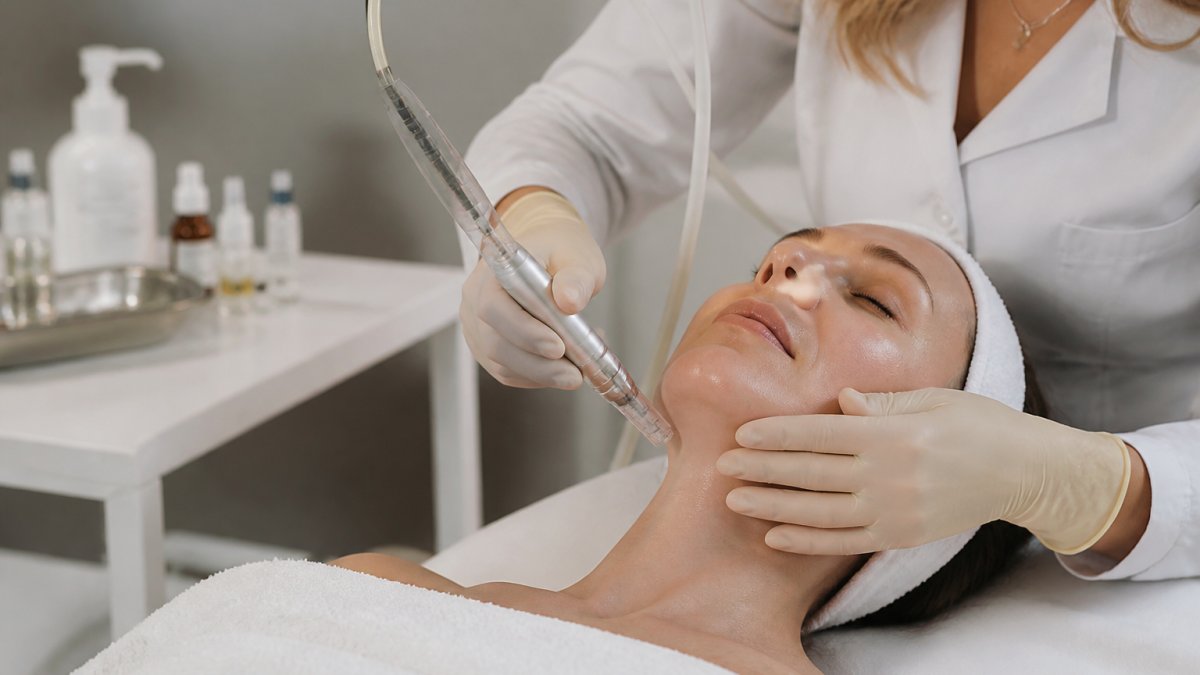
RF microneedling benefits come from combining microneedling and radiofrequency energy to address skin concerns unresponsive to surface-level treatments.
Key Benefits of RF Microneedling Treatments
RF microneedling benefits address multiple skin concerns by targeting collagen and elastin loss. Skin tightening occurs as thermal energy stimulates collagen synthesis, improving elasticity and reducing laxity, making it effective for facial rejuvenation without surgery.
| Benefit | Timeline | Best For |
|---|---|---|
| Skin texture improvement | 2-4 weeks | Fine lines, rough texture |
| Collagen remodeling | 4-12 weeks | Elasticity, laxity |
| Scar revision | 8-12 weeks | Acne scars, stretch marks |
| Pore reduction | 4-8 weeks | Large pores, uneven tone |
| Overall rejuvenation | Ongoing | Comprehensive skin health |
RF Microneedling vs Traditional Microneedling: What's the Difference?
Traditional microneedling triggers collagen at the surface and mid-dermis, while RF microneedling penetrates deeper with radiofrequency energy for more intense stimulation and faster results, achieving deeper dermal remodeling without visible epidermal damage.
Conditions Treated with RF Microneedling
RF microneedling targets collagen and elastin loss to address many conditions. Acne scarring, especially atrophic (indented) scars, responds well as RF energy remodels tissue and stimulates collagen fill-in over multiple sessions.
How Many RF Microneedling Sessions Are Needed for Results?
Most patients require 3-4 sessions spaced 4-6 weeks apart for optimal results. Mild fine lines may improve after 2-3 sessions, while significant acne scarring often requires 4-6 sessions.
RF Microneedling Recovery Time and What to Expect
Patient comfort during and after RF microneedling is a primary concern, and understanding both the sensation during treatment and recovery timeline helps set realistic expectations.
Pain Management and Comfort During Treatment
RF microneedling discomfort is manageable with topical anesthetic cream (typically lidocaine 4-5%) applied 20-30 minutes before treatment. Patients typically feel pressure and warmth rather than sharp pain; injectable anesthesia is less common.
Immediate Post-Treatment (First 24-48 Hours)
Expect redness, mild swelling, and possible pinpoint bleeding that subside within 24-48 hours. Skin may feel warm and tight, similar to mild sunburn. Over-the-counter pain relievers are optional; avoid touching the treated area to prevent irritation and infection.
Recovery Timeline (Days 2-7)
Most patients return to normal activities within 2-3 days, though redness may persist 3-5 days. Avoid strenuous exercise and heavy sweating for 48 hours and minimize sun exposure for one week. Mild peeling around day 3-5 is normal; avoid picking or manual exfoliation.
Post-Treatment Care Essentials
Proper aftercare impacts comfort and results: use lukewarm water and gentle cleanser for 48 hours, apply hydrating products while damp, use SPF 30+ starting day after treatment, skip retinoids and active ingredients for 3-5 days, and use fragrance-free moisturizer twice daily. Follow your provider's aftercare sheet carefully. Contact your provider if experiencing excessive pain, severe swelling after 48 hours, signs of infection, or unusual pigmentation changes.
Who Makes a Good Candidate for RF Microneedling?
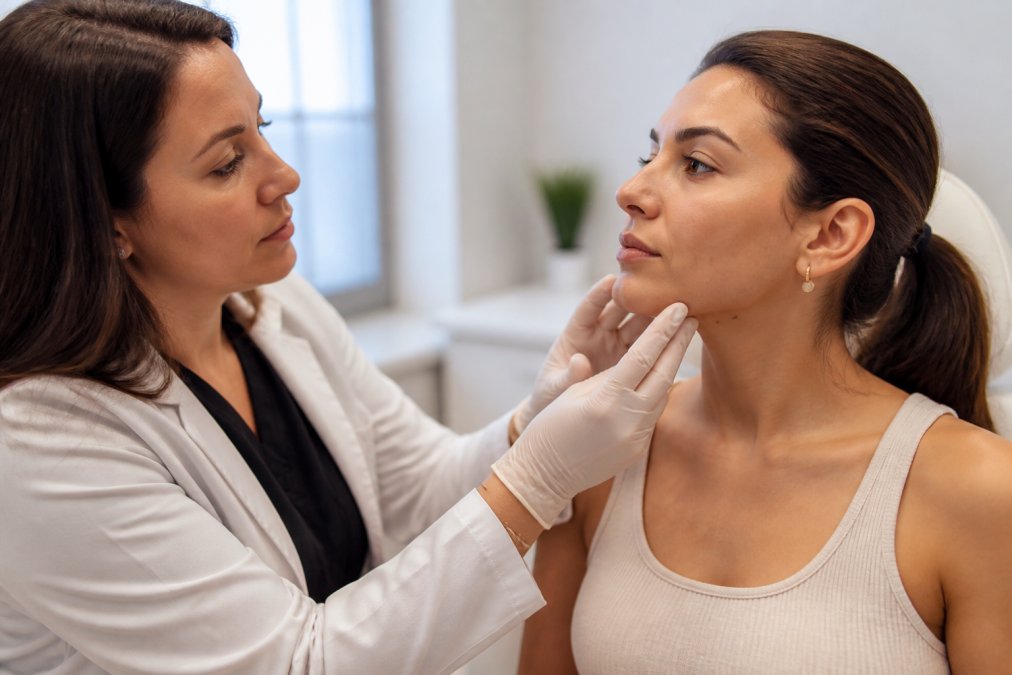
Ideal candidates are adults with realistic expectations seeking to improve texture, reduce fine lines, or address scarring without surgery. A thorough pre-treatment consultation determines safety and appropriateness based on skin tone, medical history, and skin concerns.
Ideal Candidate Profile
Best candidates have Fitzpatrick skin types I-IV (though advances allow treatment of deeper tones with adjusted settings), realistic expectations, mild to moderate skin concerns, good overall health, commitment to aftercare and sun protection, and stable skin without active inflammatory conditions.
Skin Tone and Ethnicity Considerations
Fitzpatrick skin types I-IV (lighter to moderate skin tones) have traditionally been considered ideal candidates. However, this is evolving. Advances in RF technology and practitioner experience now allow safe treatment of Fitzpatrick types V-VI (darker skin tones), though this requires:
- Lower radiofrequency energy settings to minimize thermal injury risk
- Longer spacing between sessions (6-8 weeks instead of 4-6 weeks) to allow complete healing
- Enhanced post-treatment protocols including strict sun avoidance and potentially prescription-strength hydroquinone or other depigmenting agents if post-inflammatory hyperpigmentation occurs
- Experienced practitioners familiar with treating darker skin types, as risk of complications increases significantly with inexperienced providers
Absolute Contraindications (Do Not Treat)
Certain conditions make RF microneedling unsafe and should exclude you from treatment:
- Pregnancy: RF energy and microneedling trauma are not recommended during pregnancy due to unknown fetal effects and increased infection risk.
- Active skin infections: Herpes simplex virus (cold sores), bacterial infections, or fungal infections in the treatment area must be resolved before proceeding.
- Pacemakers or implanted electronic devices: Radiofrequency energy can interfere with device function. Patients with pacemakers, defibrillators, or neurostimulators should not undergo RF microneedling.
- Severe immunosuppression: Patients on immunosuppressive medications or with conditions like HIV/AIDS have impaired wound healing and higher infection risk.
- Active malignancy: RF microneedling should not be performed on or near areas of active cancer.
- Severe keloid tendency: Patients with a strong history of keloid formation (especially from previous injuries or surgeries) have significantly elevated risk of abnormal scarring.
- Accutane use (isotretinoin): Patients currently taking or who have taken Accutane within the past 6-12 months have severely compromised skin barrier function and wound healing. Most practitioners require a 12-month waiting period after Accutane discontinuation.
Relative Contraindications (Proceed with Caution)
These conditions require careful evaluation, modified protocols, or postponement:
- Active acne: Severe active acne should be controlled before RF microneedling to avoid spreading bacteria and worsening inflammation. Mild acne is often an indication for treatment, but active cystic acne warrants delay.
- Rosacea or sensitive skin: Patients with rosacea may experience significant flaring post-treatment. RF microneedling can still be performed but requires lower energy settings and careful monitoring.
- Keloid-prone skin: While not an absolute contraindication, patients with any history of keloid formation need conservative treatment and close follow-up.
- Recent sun exposure or tanning: Sunburned or tanned skin has compromised barrier function. Treatment should be postponed until skin returns to baseline.
- Recent chemical peels or laser treatments: Skin needs 2-4 weeks recovery between aggressive treatments. Combining RF microneedling too soon after other procedures increases complication risk.
- Medications affecting wound healing: Certain medications (high-dose corticosteroids, anticoagulants, some immunosuppressants) impair healing. Discuss all medications with your provider.
- Uncontrolled diabetes: Poor glycemic control significantly impairs wound healing and increases infection risk. Patients should have stable, well-controlled diabetes before treatment.
- Bleeding disorders or anticoagulation therapy: Patients on warfarin, novel anticoagulants, or with clotting disorders may experience excessive bleeding during treatment. Discuss with your provider and prescribing physician.
- Recent facial surgery: Wait at least 6-8 weeks after surgical procedures before RF microneedling to allow complete healing.
Medical History Screening Questions
Before treatment, your provider should ask about:
- Any history of abnormal scarring (keloids or hypertrophic scars)
- Current medications, especially anticoagulants, immunosuppressants, or retinoids
- Allergies to topical anesthetics (lidocaine, benzocaine)
- History of cold sores or herpes simplex virus
- Autoimmune conditions (lupus, scleroderma, etc.)
- Recent sun exposure, tanning, or sunburns
- Recent chemical peels, laser treatments, or other skin procedures
- Pregnancy or plans to become pregnant
- Implanted medical devices
- Current or recent Accutane use
- History of keloid or hypertrophic scar formation
Setting Realistic Expectations
RF microneedling is highly effective for many conditions, but it has limitations. It improves but doesn't eliminate:
- Deep, severe atrophic scars (those requiring surgical subcision)
- Severe wrinkles or significant skin laxity (these may require surgical intervention)
- Extensive stretch marks
- Advanced photoaging with significant pigmentation irregularities
A thorough consultation ensures you're a good fit for treatment and understand realistic outcomes for your specific concerns. If you're not an ideal candidate, your provider may recommend alternative treatments or a combination approach that's safer and more effective for your situation.
Long-Term Maintenance and Results
RF microneedling results are long-lasting because the treatment stimulates your body's own collagen production. Most patients maintain improvements for 12-18 months after completing their initial series. However, because aging and environmental damage continue, maintenance treatments help sustain results indefinitely.
Frequently Asked Questions
Does RF microneedling with radiofrequency energy really work?
Yes. RF microneedling combines microneedling with radiofrequency energy to stimulate collagen induction therapy and neocollagenesis in the deeper skin layers. The thermal energy triggers dermal remodeling, which improves skin texture, reduces fine lines and wrinkles, and tightens skin laxity. Most patients see visible improvements in skin elasticity and firmness after a series of sessions, though results depend on skin condition, age, and adherence to the treatment plan.
How long do RF microneedling results last?
Results typically last 6 to 12 months, depending on your skin type, age, and lifestyle factors. Because RF microneedling stimulates ongoing collagen synthesis and cellular turnover, improvements can continue for several weeks after treatment. To maintain results, most patients benefit from maintenance sessions once or twice yearly. Your provider can recommend a personalized schedule based on your skin's response.
Is 2 sessions of RF microneedling enough for visible results?
Two sessions may produce some improvement in skin texture and fine lines, but most patients require 3 to 4 treatment sessions spaced 4 to 6 weeks apart for optimal results. Deeper concerns like acne scarring or significant skin laxity typically benefit from the full series. Your nurse practitioner will evaluate your skin during a consultation and recommend the number of sessions best suited to your goals.
What's the difference between RF microneedling and traditional microneedling?
Traditional microneedling uses fine needles alone to create controlled micro-injuries and trigger collagen production. RF microneedling adds radiofrequency energy to deliver thermal energy into the dermis, creating deeper subdermal heating and more aggressive dermal remodeling. This combination produces faster, more dramatic results for skin tightening and scar reduction, though it typically requires longer recovery time and is better suited to patients with thicker skin or significant skin laxity.
What should I expect during RF microneedling recovery?
Expect redness, mild swelling, and sensitivity for 3 to 5 days after treatment. Some patients experience pinpoint bleeding or slight crusting. Downtime is typically minimal, most people return to normal activities within a week, though you should avoid intense exercise, sun exposure, and harsh skincare for at least one week. Your provider will give you specific aftercare instructions to support skin healing and optimize results.
Can RF microneedling be used on darker skin tones?
Yes, RF microneedling can be safely used on all Fitzpatrick skin types, including darker skin tones. However, patients with deeper skin tones have a higher risk of post-inflammatory hyperpigmentation, so your provider may adjust settings and recommend specific aftercare to minimize this risk. A qualified nurse practitioner will evaluate your skin type and customize the treatment to ensure safety and optimal results for your unique skin.
Ready to experience the transformative benefits of RF microneedling treatments? At Leon NP Family Health Care, PLLC, our experienced nurse practitioners provide personalized RF microneedling consultations and treatment plans tailored to your specific skin concerns. We offer same-week availability and convenient online scheduling to fit your lifestyle. Book your visit today to discuss how RF microneedling can help you achieve clearer, tighter, more youthful-looking skin with minimal downtime.